






















Performance, Decoded.
We test it. We map it. You see how it performs.
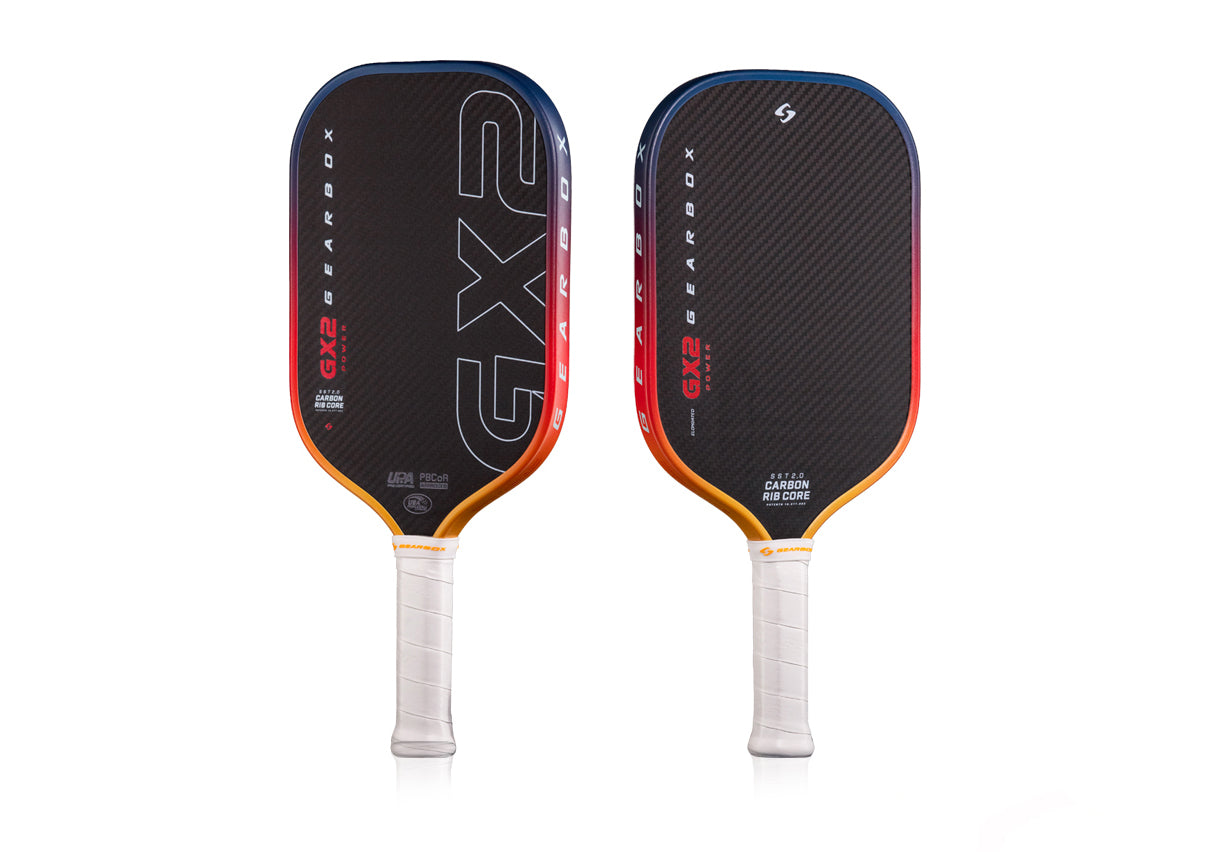
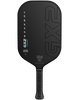
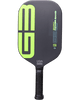
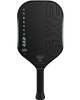
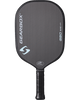
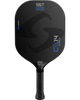
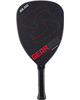
GX2 Power Elongated. Dual Certified.
Same Great Performance, Bold New Color now with Dual Certified with both USA Pickleball Approved and *UPA-A Certified logos proudly displayed on the paddle.


One Measurement Doesn't Tell the Whole Story.
Traditional paddle testing typically measures individual aspects of performance. But a paddle doesn't perform at just one point on its face.
We wanted to see the whole picture.
Using our proprietary mechanical swing system, Gearbox maps performance across the paddle face under controlled, repeatable conditions.
The result Performance Envelope — our new paddle performance report.

"Complete paddle performance is revealed when it's tested in motion." — Rafael Filippini
Full-Face Performance Report
Gearbox's Full Face Mapping is Gearbox's complete performance profile report. It combines a visual Performance Heat Map, objective Performance Metrics, and a Performance Envelope™ to provide a comprehensive understanding of how a paddle performs.


Decoding Paddle Performance
Every Measurement Has a Purpose
-
Peak MPH
Highest ball exit velocity recorded at a single impact location. -
Average MPH
Average ball exit velocity across the paddle face. Your accessible power. -
Sweet Spot
Percentage of the paddle face that maintains at least 90% of its Peak MPH. -
Edge Retention
How well the paddle maintains ball speed toward the paddle face edges. -
Disparity
Difference between the highest and lowest ball exit velocities across the paddle face.
Performance Envelope™
The complete picture of how the GX2 Power E performs — from center to edge.
The GX2 Power Elongated reached a Peak MPH of 55.3 while maintaining 51.0 MPH of accessible power across the hitting surface. A 70% sweet spot, 87.6% edge retention, and 6.9 MPH disparity show the paddle retains its performance across a large portion of the face—not just at one impact location.
How You’ll Experience the Paddle
With a Peak MPH of 55.3, the GX2 Power delivers explosive maximum performance when struck cleanly. More importantly, it maintains 51.0 MPH of accessible power across much of the hitting surface, meaning more of the paddle continues to deliver usable performance—even when contact isn't perfectly centered.
Its 70% sweet spot and 87.6% edge retention help preserve performance on off-center shots, providing greater forgiveness and confidence during fast exchanges. Combined with a low 6.9 MPH disparity, the result is a paddle that responds more consistently and predictably from shot to shot, helping players trust the paddle throughout the swing—not just on perfect contact.
GX2 Power Elongated. Dual Certified.
Now you know how the GX2 Power Elongated performs.
Its Paddle Envelope reveals explosive accessible power, a large sweet spot, strong edge retention, and consistent performance across the paddle face.
Understanding Your Performance Envelope
How do I read the Performance Heat Map?
The Performance Heat Map shows how measured ball speed is distributed across the paddle face during Gearbox Performance Mapping™.
Each of the 20 numbered impact points displays the measured ball exit velocity (MPH) recorded at that location.
The colors help visualize those measurements:
🔴 Red = Highest measured ball speeds.
🟠 Orange/Yellow = High measured ball speeds
🟢 Green = Moderate measured ball speeds
🔵 Blue = Lower measured ball speeds
The goal isn't for the entire paddle to be red. Instead, the heat map shows how well the paddle maintains its performance across the face—revealing where it delivers its strongest and most consistent performance.
What's the difference between Peak MPH and Accessible Power?
Think of Peak MPH as the paddle's best shot.
It's the highest measured ball speed the paddle produced during our standardized swing test.
Accessible Power tells a different story.
It measures how much of that performance the paddle maintains across the rest of the face—not just on the perfect hit. For most players, Accessible (Usable) Power is a better indicator of the performance they're likely to experience during actual play.
The closer Accessible Power is to Peak MPH, the more of the paddle's maximum performance remains available across the entire hitting surface.
All Paddle DNA™ measurements are recorded using the same standardized 45 MPH swing simulation. The speeds shown are not the maximum ball speeds a player can achieve. Instead, they provide a consistent baseline for objectively comparing paddle performance under identical testing conditions.
What does Sweet Spot tell me?
Think of the Sweet Spot as the most forgiving area of the paddle.
Gearbox defines the Sweet Spot as the percentage of the paddle face that maintains at least 90% of its Peak MPH during Gearbox Performance Mapping™.
On the Performance Heat Map, the Sweet Spot is generally represented by the warm-colored region (primarily the red and orange areas), where measured ball speeds remain closest to the paddle's maximum performance.
On the GX2 Power Elongated, you can see the Sweet Spot is centered on the paddle face while extending well toward the upper portion of the paddle, creating a larger forgiving area rather than a single "perfect" impact point.
The higher the Sweet Spot percentage, the larger the forgiving area of the paddle, helping maintain near-maximum performance and giving players greater confidence when contact isn't perfectly centered.
What does Edge Retention tell me?
Think of Edge Retention as a measure of how well the paddle performs when contact moves away from the center.
No player hits the sweet spot every time. Edge Retention measures how much ball speed the paddle maintains as impacts move toward the outer edges of the face.
A paddle with higher Edge Retention preserves more of its performance on off-center shots, helping produce a more forgiving, consistent, and predictable response when contact isn't perfect. The higher the percentage, the more consistently the paddle performs across its entire face.
What does Disparity tell me?
Think of Disparity as a measure of how consistently your paddle performs
It measures the difference between the paddle's highest and lowest measured ball speeds across the face.
A lower Disparity means there is less variation in performance as contact moves around the paddle, resulting in a more consistent and predictable response from shot to shot.
A higher Disparity means performance varies more across the face, making the paddle less predictable at different impact locations.
The lower the number, the more uniformly the paddle performs across its entire face.
What do all of these measurements mean together?
No single measurement tells the complete story of how a paddle performs.
A paddle may produce high Peak MPH, but if it has low Accessible Power, poor Edge Retention, or high Disparity, it may feel less forgiving, less consistent, and less predictable during actual play.
Paddle DNA™ combines all five performance metrics because that's how paddles are experienced on the court—where every performance characteristic works together, not in isolation.
Together, they provide a more complete understanding of a paddle's power, forgiveness, consistency, and predictability, helping you choose the paddle that best fits your game.
Dynamic Performance Mapping™
How We our Testing
Our proprietary testing methodology measures ball-speed performance during a controlled dynamic swing, providing insight into how performance is distributed across the entire paddle face.


Why Gearbox Testing is Different
-
Performance in Motion
Performance is measured while the paddle swings at approximately 45 MPH, allowing ball-speed performance to be evaluated while the paddle is in motion.
-
Complete Paddle Mapping
Ball-speed performance is measured at 20 predetermined impact locations to create a complete Dynamic Performance Map.
-
Objective & Repeatable
Every paddle is tested using the same standardized methodology for consistent, objective comparisons.
GX2 Power Elongated. Dual Certified.
Now You Know What’s Behind the Performance.
Gearbox tested it. Full-Face Performance testing mapped it. Now experience the GX2 Power Elongated for yourself.